The cloud is free. The sparrow is free. The river is free. And me?
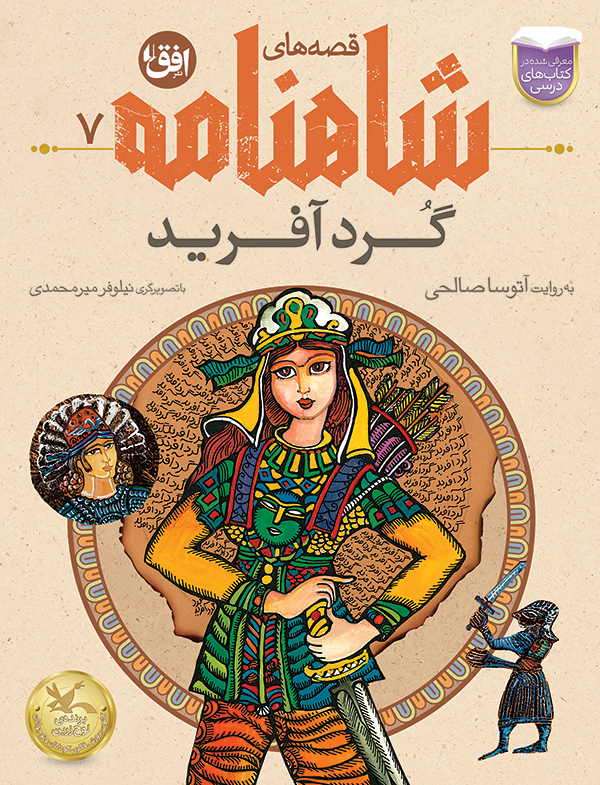
An army is coming, the fortress has no one left to send, and the only person who moves is a girl who has never been allowed past the gate. Gordafarid finds her grandfather’s armour under dust cloths, coils her hair beneath a helmet, and rides out to meet the greatest young warrior of Turan.
Atoosa Salehi begins the story years earlier, with a commander’s daughter who climbs the mountain to talk to it because there is no one else, and opens a chest of silk robes to imagine a life that starts somewhere other than here. When the horizon turns black with banners and Hojir rides out and is taken, the fortress discovers it has nobody but her.
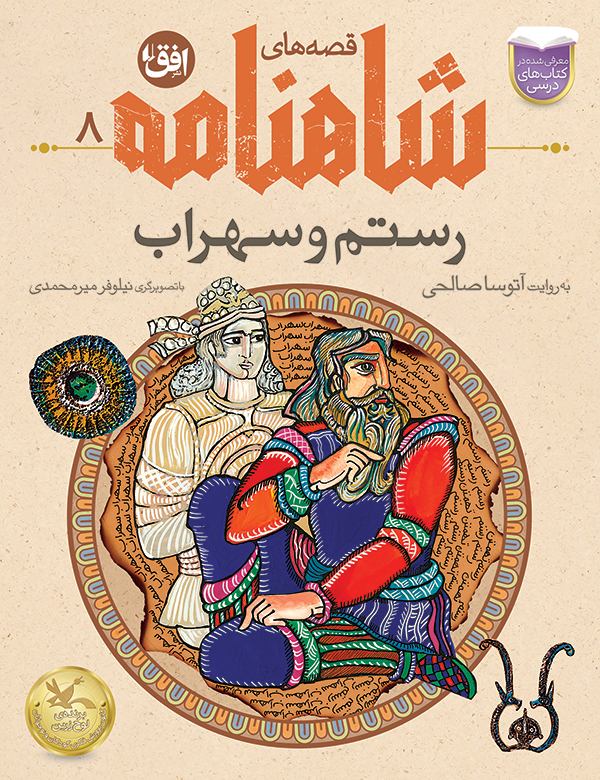
What happens after the helmet falls is where the book goes furthest. The two of them stop at a stream, wash the dust off, and see each other’s faces in the water. Sohrab curses the war that has emptied both their countries. He shows her a leather armband and tells her a secret is sealed inside it that only one man alive can read. He starts to describe a day that is coming, and stops, because saying a wish aloud can break it.
Salehi’s Gordafarid is brave without being made into a monument. She is quick, frightened, calculating, and completely aware of how much is permitted to her. What the book asks is not whether a girl can fight — she can, and does — but what she is willing to give up when the safety of everyone behind the walls and the one thing she wants for herself point in opposite directions.
Niloofar Mirmohammadi refuses to make her decorative: she is drawn as a soldier, in pen-line against fields of Persian script, with Ferdowsi’s couplets running beside the prose.